
7 Corporate Event Coffee Service Ideas for 2026

Table of Contents
1. Mobile Espresso Bar for Events
2. Branded Coffee Stations with Custom Cups
3. Corporate Event Coffee Menu Ideas That Impress
Core Espresso Drinks
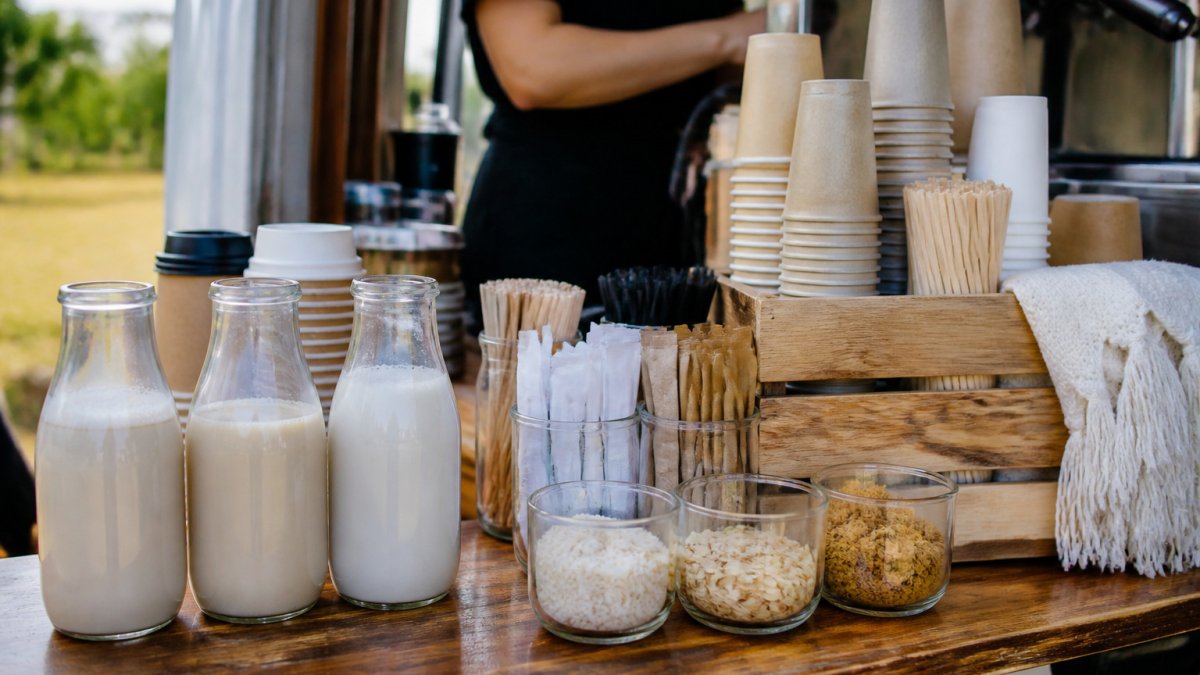
Non-Dairy and Dietary Options
4. Coffee Station Ideas for Events
5. Calculating How Much Coffee to Serve at an Event
6. Cold Brew and Iced Coffee Options
7. Professional Barista Service and Guest Engagement
Planning Your Corporate Event Coffee Service
Frequently Asked Questions
Last Updated: October 12, 2026
1. Mobile Espresso Bar for Events
A mobile espresso bar transforms how guests experience coffee at corporate events. This approach to corporate event coffee service ideas delivers café-quality drinks that guests actually want to drink.
The key advantage is speed and variety. A skilled barista can prepare 15-20 drinks per hour. Guests get to watch their drinks being made, cappuccinos with latte art, perfectly pulled espresso shots, custom lattes with their choice of milk alternatives.
The mobile espresso bar works exceptionally well for events ranging from 50 to 300 guests. The setup requires minimal space, typically just a 10-by-10-foot footprint, and our professional baristas handle all equipment, water supply, and cleanup.

What makes this format stand out for corporate settings is flexibility. A morning event might emphasize espresso-based drinks and cappuccinos. An afternoon gathering could shift focus to cold brew and iced lattes.
Pro Tip Schedule your barista to arrive 30 minutes before guests start arriving. This allows time to test equipment, set up the station, and ensure water and power access are working properly. A small setup issue caught early prevents service delays later.
2. Branded Coffee Stations with Custom Cups
Custom-branded cups turn your corporate event coffee service into a marketing touchpoint. Guests leave with a physical reminder of your event, something they'll use repeatedly if the cup quality is solid.
This approach works particularly well for company anniversaries, product launches, or client appreciation events. Your logo, event date, or company message appears on every cup, creating a subtle but consistent brand presence throughout the gathering. Unlike generic white cups, branded vessels signal that your organization invested thought and care into the details.
The logistics are straightforward. You provide the cup design, and a vendor produces them ahead of time. Your barista uses these cups for every drink served. The cost per cup varies based on quantity and customization level, but bulk orders typically reduce the per-unit price significantly.
Beyond aesthetics, branded cups serve a practical function: guests know which drink is theirs when multiple orders are being prepared simultaneously. A cup with your company name reduces confusion and speeds up service flow.
Key Takeaway Branded cups work best when the design is simple and professional. Avoid cluttering the cup with too much text or overly complex graphics, your logo and event name are sufficient. Simplicity ensures the cup remains a usable item guests actually keep, rather than something they discard immediately after the event.
3. Corporate Event Coffee Menu Ideas That Impress
The drinks you offer define the entire coffee service experience. A thoughtfully curated menu shows you understand guest preferences and dietary needs. This is where corporate event coffee service ideas move from basic to memorable. Elevating the standard of hospitality often extends beyond the cup, as the most thoughtful hosts complement these refined beverage selections with luxury corporate gift ideas that leave a lasting impression on every attendee.
Core Espresso Drinks
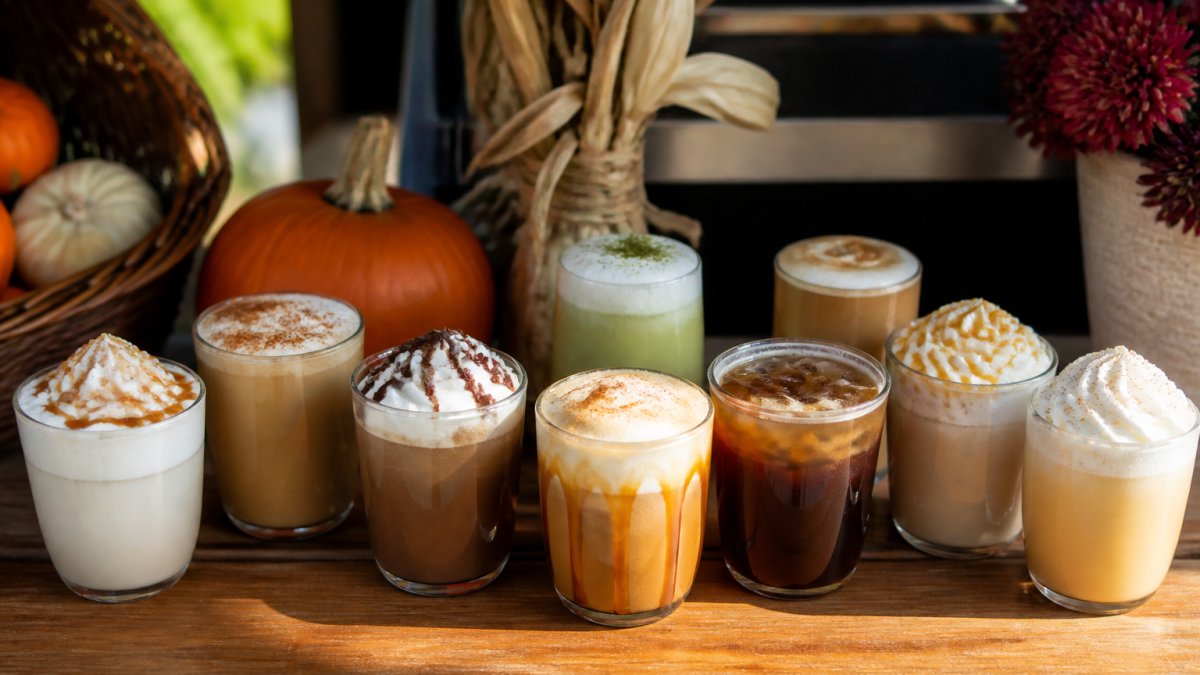
Start with the fundamentals: espresso, americano, cappuccino, and latte. These four drinks form the backbone of any professional coffee menu and cover the vast majority of guest preferences.
An americano appeals to guests who want strong coffee without milk. A cappuccino delivers espresso with steamed milk and a layer of foam, rich and indulgent. A latte offers a milder, creamier option for those who prefer less intense coffee flavor. Espresso shots serve guests who want a quick, concentrated dose of caffeine.
Consider adding one or two flavored options. A vanilla latte or caramel cappuccino gives guests variety without overwhelming your barista with complexity. The key is restraint, two flavored options maximum. Beyond that, your barista spends more time managing flavor requests than actually serving drinks, which creates bottlenecks.
Mocha is another solid addition if your venue allows it. Combining espresso, steamed milk, and chocolate, it appeals to guests who want something slightly sweeter without being a dessert drink.
Non-Dairy and Dietary Options
Offering non-dairy milk alternatives is no longer optional, it's expected at professional events. Oat milk has become the standard, but almond milk and coconut milk cover additional preferences. Stock at least one non-dairy option; two is ideal.
Include a non-coffee option as well. An herbal tea or hot chocolate ensures guests who don't drink coffee still have something appealing to choose. This small addition significantly improves the guest experience for a meaningful portion of attendees.
Cold water and sparkling water should always be available alongside coffee. Some guests prefer hydration to caffeine, especially at midday events or outdoor summer gatherings.
Best For Corporate retreats with 75-150 attendees where guests will spend 2-3 hours on-site. This size allows your barista to maintain reasonable drink-preparation times while offering genuine variety.
4. Coffee Station Ideas for Events
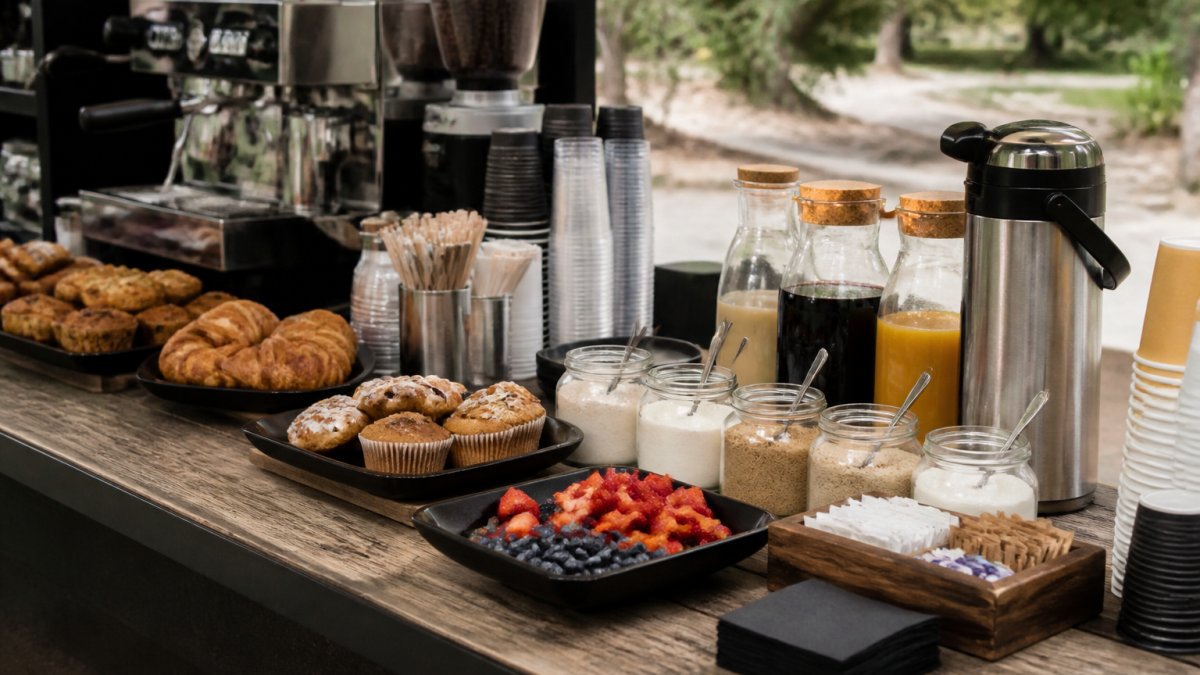
A well-organized coffee station creates natural flow and prevents bottlenecks. Even with a skilled barista, the physical layout matters enormously for guest experience.
Position the station where guests naturally congregate but not directly in main traffic patterns. A corner location or designated area works better than placing the coffee bar in a doorway or hallway.
Create a clear ordering system. A single-line queue with a barista taking orders prevents confusion. Have a small holding area where completed drinks wait briefly before the next guest collects them.
Include a small table beside the main station for milk alternatives, sweeteners, and cups.
Signage matters more than you'd expect. A simple menu board showing drink options and any dietary considerations helps guests decide quickly. This reduces decision time at the counter and keeps the line moving.
For outdoor events, consider weather protection. An event tent or canopy over the coffee station keeps equipment safe and ensures your barista can work comfortably regardless of sun or light rain.
5. Calculating How Much Coffee to Serve at an Event
The amount of coffee you need depends on event duration, time of day, and guest count. Getting this calculation right prevents both shortages and waste.
A reasonable baseline is one coffee drink per guest for a one-hour event. For a two-hour event, plan for 1.5 to 1.75 drinks per guest. For three-hour events, estimate 2 drinks per guest. These figures assume a typical mix of coffee drinkers and non-drinkers.
Time of day significantly affects consumption. Morning events see higher coffee demand, guests arrive looking for caffeine. Afternoon events typically have lower demand unless the event runs late into the workday.
Weather influences consumption too. Cold days drive higher coffee demand. Hot summer days see more requests for cold brew and iced drinks.
For a 100-person corporate breakfast event, plan for 100-120 total drinks. For a 100-person afternoon gathering, 75-90 drinks is typically sufficient. For a 100-person evening reception, 50-75 drinks covers most scenarios.
Your barista can prepare roughly 15-20 drinks per hour depending on complexity. A simple espresso takes 30 seconds. A cappuccino with custom milk alternative takes 2-3 minutes.
6. Cold Brew and Iced Coffee Options
Cold brew and iced coffee are non-negotiable for warm-weather events and increasingly expected year-round. These options appeal to guests who find hot drinks unappealing or who want a refreshing beverage.
Cold brew is coffee steeped in cold water for 12-24 hours, creating a smooth, naturally less acidic concentrate (Physiochemical Characteristics of Hot and Cold Brew Coffee Chemistry). It can be served as-is over ice or mixed with milk and sweeteners. The preparation happens before the event, so your barista simply pours and serves during the gathering.
Iced lattes and iced cappuccinos work similarly to their hot counterparts but served over ice.
For corporate event coffee service ideas, cold brew is an efficient option. It requires zero active preparation during service, which means your barista can focus on espresso-based hot drinks.
A solid rule: if the event is outdoors, in summer, or scheduled for afternoon hours, cold brew and iced options should account for 30-40% of your total coffee volume. For winter indoor events, cold options might be only 10-15% of total volume.
7. Professional Barista Service and Guest Engagement
The barista is the centerpiece of your corporate event coffee service. A skilled professional transforms coffee service from transactional to experiential.
A professional barista does more than pull shots. They engage guests, remember drink preferences, and handle the unexpected, a guest with a dairy allergy, someone who wants an unusual flavor combination, or a guest who's never tried an espresso drink before.
Look for baristas with experience in high-volume settings. An event barista needs different skills than someone who works in a quiet café. They must maintain quality while working quickly, manage guest expectations when drinks take longer than expected, and stay pleasant even during rushed periods.
Your barista should also be knowledgeable enough to guide guests. A guest uncertain about the difference between a cappuccino and a latte appreciates a brief, friendly explanation. This educational element elevates the service beyond simple drink delivery.
Communication between you and your barista matters. Brief them on your event goals, guest count, expected duration, and any special requests. A barista who understands the context provides good service.
Pro Tip Request a barista who has experience with corporate events specifically. Someone familiar with office gatherings understands the pace, the types of drinks corporate guests typically order, and how to manage the unique social dynamics of professional settings.
Planning Your Corporate Event Coffee Service
Executing a successful corporate event coffee service requires coordination across several elements. Start planning at least four to six weeks before your event.
First, confirm your venue can accommodate a mobile coffee setup. You'll need access to water and electrical power. Outdoor venues require confirmation that weather protection can be installed.
Next, determine your guest count and event duration. These figures drive everything else, menu decisions, barista scheduling, and equipment requirements.
Define your menu based on guest preferences and event timing. A morning corporate gathering might emphasize classic espresso drinks. An afternoon client event might feature cold brew and iced options.
Coordinating a corporate event coffee service that impresses your guests requires attention to detail and professional execution.
Thunderbird Coffee brings over 17 years of experience delivering professional mobile espresso catering for corporate events across various sizes and venues.
Get a custom quote today and discover how a professional corporate event coffee service elevates your gathering.
Frequently Asked Questions
What coffee drinks work best at corporate events?
Espresso, cappuccino, latte, and americano are corporate event staples, they're familiar, fast to prepare, and customizable. Include one or two flavored lattes (vanilla or caramel) for variety. Offer oat milk and other non-dairy alternatives since many guests prefer them. A non-coffee option like hot chocolate or tea ensures no one feels left out. Professional baristas can prepare these quickly, keeping service lines short even with 100+ guests.
How much coffee should you plan for a corporate event?
Plan for 1.5 to 2 cups per guest during a two-hour event. For a 100-person gathering, that's 150-200 cups total. Adjust upward if the event runs longer or includes morning hours when coffee demand peaks. Cold brew and iced options reduce demand for hot drinks in warm weather. A professional mobile espresso service can gauge consumption in real time and adjust brewing accordingly, preventing shortages or waste.
Can you customize branded cups with our company logo?
Yes, many corporate event coffee services offer branded cups as an add-on. Custom cups with your company logo create a memorable takeaway and reinforce your brand. Discuss logo placement, cup color, and order quantities with your service provider when booking. Branded cups work especially well for product launches, anniversaries, and client appreciation events, they extend the event experience beyond the day itself.
What's the difference between a mobile espresso bar and a drop-off coffee service?
A mobile espresso bar includes a professional barista who prepares handcrafted drinks on-site throughout your event, creating an interactive experience and ensuring fresh, quality coffee. Drop-off service delivers pre-brewed coffee in thermal urns, it's simpler but offers less customization and no real-time adjustments. For corporate events where guest experience matters, a staffed mobile espresso bar creates engagement and hospitality that drop-off services cannot match.
How do you accommodate dietary restrictions and allergies at a coffee event?
Offer multiple milk alternatives (oat, almond, soy, coconut) and clearly label all options. Ask guests in advance about nut allergies and ensure separate utensils and equipment to prevent cross-contamination. Provide a non-coffee option for guests who don't drink caffeine. Professional baristas trained in allergen awareness can prepare drinks safely. Transparency about ingredients builds trust and ensures every guest enjoys the coffee service without concern.
Book Today
Comments